AI-Powered ABDM Healthcare Software in Himachal Pradesh
Managing patient records in the Himalayas is tough. Many clinics use old systems that slow down care. Using ABDM compliant healthcare software in Himachal Pradesh helps them update their work.
Quick Answer
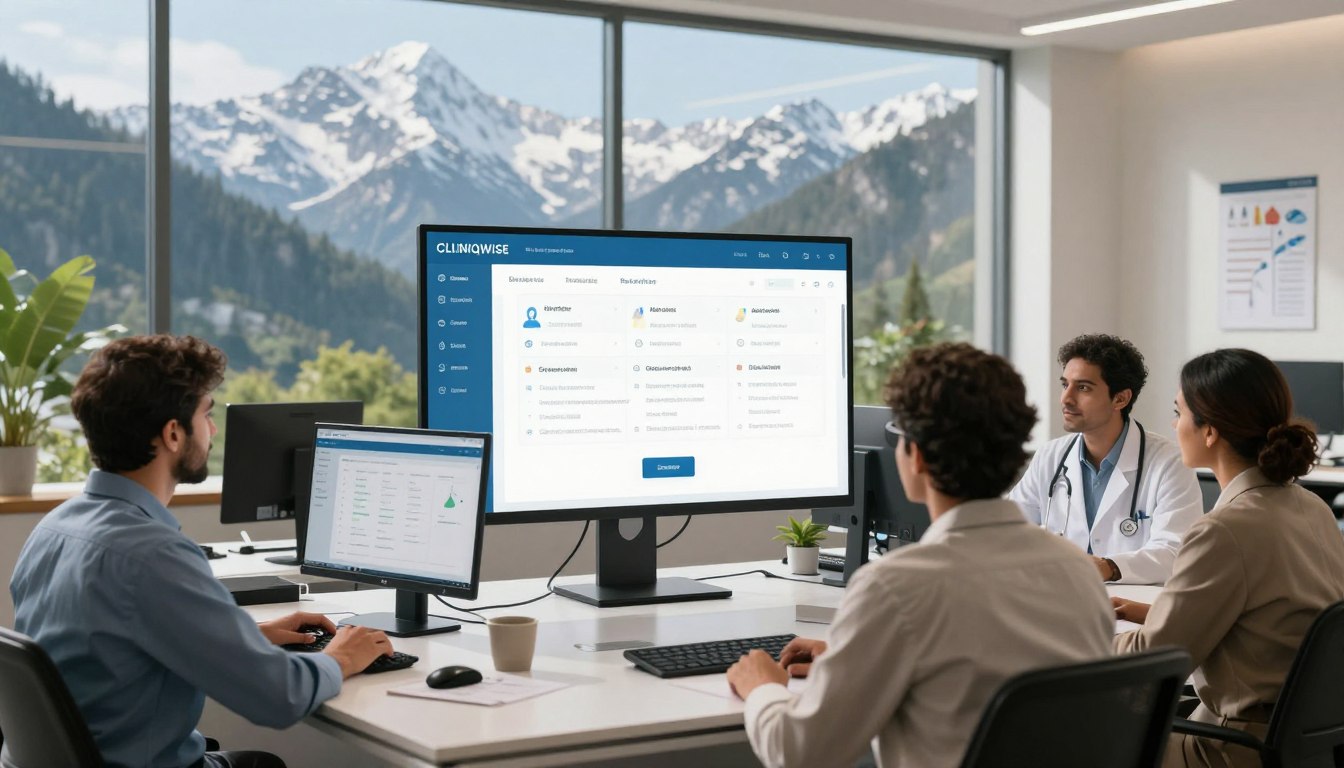
ABDM-compliant healthcare software in Himachal Pradesh helps clinics and hospitals digitise patient records, connect ABHA identities, manage OPD and IPD workflows, maintain EMRs, automate prescriptions and billing, integrate laboratory services, and securely exchange health information. These systems can improve operational efficiency while helping healthcare providers participate in India's connected digital health ecosystem.
These digital tools bring together admin and clinical data. They connect remote areas with city medical standards. Seamless connectivity keeps patient records available everywhere. This change is key for better service in today's digital world.
With ABDM compliant healthcare software in Himachal Pradesh, doctors can focus on patient care. These systems make billing, registration, and records easy to manage. This technology keeps hospitals up to date with modern medicine.
Key Takeaways
Centralise patient records to enhance clinical decision-making processes.
Optimise administrative workflows to reduce manual errors and save time.
Bridge the digital divide between remote areas and urban medical centres.
Ensure full integration of financial and clinical data for better transparency.
Improve overall patient satisfaction through faster and more reliable service delivery.
The Digital Transformation of Healthcare in Himachal Pradesh
Healthcare in Himachal Pradesh is changing fast. Digital tools are replacing old paper systems. Medical places are moving from paper records to a digital future. This change is key to meet Indian healthcare standards and give patients the care they need quickly and accurately.
Working in a mountainous area is tough for doctors. Geographical barriers make it hard to share patient data between clinics and big hospitals. Digital systems help bridge these gaps, keeping health info safe and accessible everywhere.
Digital changes make it easier for patients to get help. When clinics go digital, they follow national health goals for easy data sharing. This change helps staff work better and keeps Indian healthcare standards high everywhere.
The table below shows how digital systems are better than old paper ones:
Feature | Manual System | Digital System |
Data Storage | Physical Paper Files | Secure Cloud Storage |
Accessibility | Limited to Location | Available Anywhere |
Compliance | Difficult to Audit | Meets Indian Healthcare Standards |
Efficiency | Slow and Error-prone | Automated and Accurate |
The move to digital health is a vital step for Himachal Pradesh's future. By using new tech, clinics can do better for their communities. This focus on new ideas means even the farthest places get top-notch medical care.
Understanding ABDM Compliance and Its Importance for Indian Clinics
Understanding Indian healthcare standards is key. The Ayushman Bharat Digital Mission (ABDM) is a big part of this. It aims to link healthcare providers across the country digitally. This helps clinics stay modern and improve patient care.
What is ABHA and Why Does It Matter?
The Ayushman Bharat Health Account, or ABHA, is a 14-digit ID for every citizen. It lets patients share their health history safely with doctors. Implementing ABHA integration makes it easier for patients to register.
When a patient shows their ABHA, clinics can quickly get their identity details. This cuts down on mistakes and makes sure digital health records are right. It makes things easier for everyone involved.
Interoperability and FHIR Standards Explained
Interoperability means different systems can share data well. Without it, clinics have isolated data that doesn't help patients fully. Interoperability and FHIR standards help systems talk to each other.
FHIR lets software share health info safely and clearly. This means reports, prescriptions, and histories can move easily between places. Using these standards is key for coordinated care in India.
Feature | Traditional Records | ABDM-Compliant Records |
Data Access | Limited to one clinic | Accessible across providers |
Patient ID | Manual/Duplicate prone | Unique ABHA ID |
Data Exchange | Paper-based/Manual | Automated via FHIR |
Security | Physical storage risks | Encrypted cloud storage |
CliniqWise: A Comprehensive Review of the Platform
The world of clinical management is changing fast, and CliniqWise is leading the way. It's a powerful platform designed for Indian healthcare providers. It makes things easier for doctors by cutting down on paperwork.
Overview of CliniqWise Capabilities
The platform is great at healthcare workflow automation. It makes sure routine tasks are done right. It fits well into current clinical settings, letting doctors focus on patients, not paperwork.
It's a central place for managing patient data, appointments, and notes in real-time. This digital setup helps the Indian health system work better together. It makes it easier to keep data accurate, boosting clinic standards.
Pros and Cons of Adopting CliniqWise
Bringing in new tech needs a look at both the good and the bad. CliniqWise makes things faster and data easier to manage. But, there's a learning curve for staff to get used to the new system.
The table below shows how CliniqWise changes old ways of working into something new and efficient:
Feature | Manual Workflow | CliniqWise Automation |
Patient Registration | Paper-based, slow | Instant, digital capture |
Appointment Scheduling | Phone-heavy, prone to errors | Automated, real-time sync |
Data Retrieval | Physical file searching | Searchable, secure cloud access |
Operational Efficiency | Low, high administrative load | High, healthcare workflow automation |
Choosing CliniqWise depends on what a clinic wants to achieve. There's a learning phase, but the benefits in the long run are big. It's a solid choice for clinics looking to grow in a competitive market.
Key Features of ABDM Compliant Healthcare Software in Himachal Pradesh
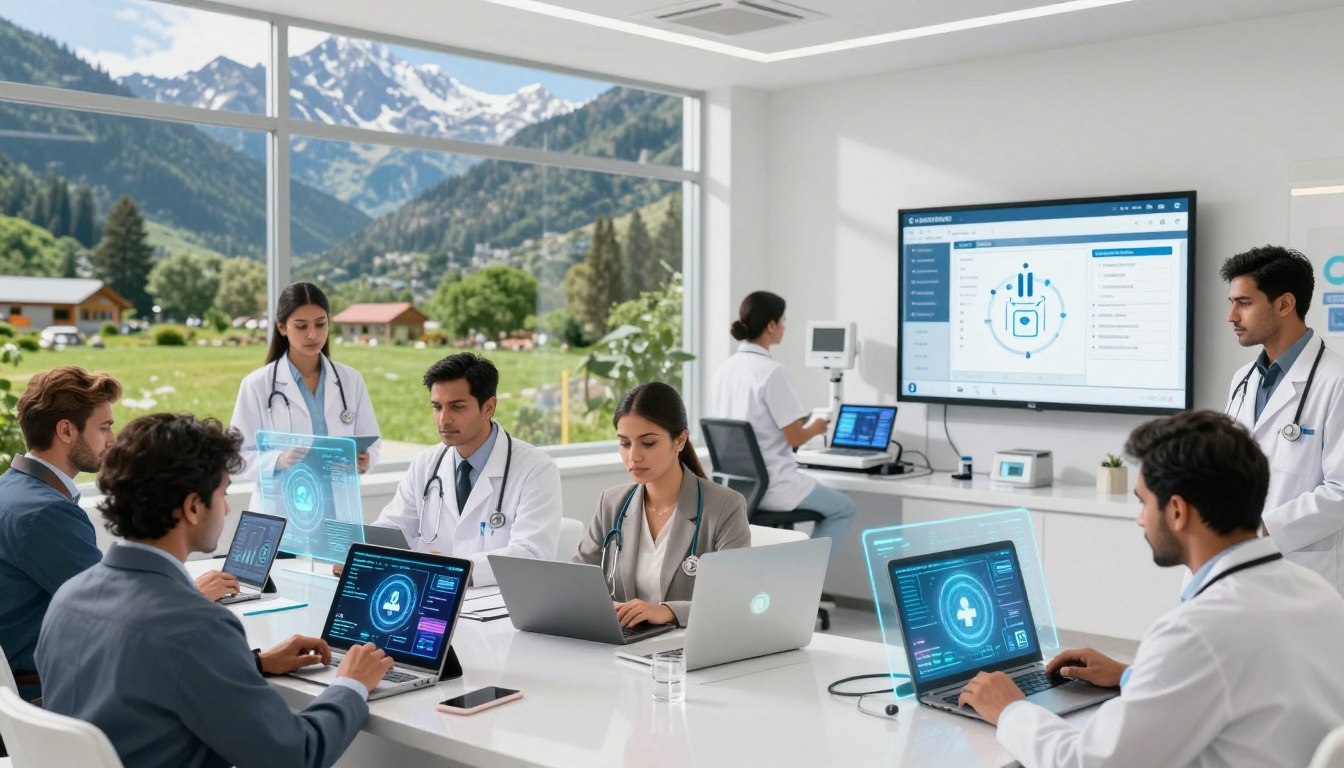
Modern clinics in Himachal Pradesh need strong digital tools to manage their daily tasks well. By using ABDM compliant healthcare software in Himachal Pradesh, clinics can meet national standards and improve patient care. These digital tools help create a more connected and efficient health system.
Automated Patient Registration and ABHA Integration
The first step for any patient is the registration desk, which can be slow in busy clinics. Automated patient registration systems cut down the time spent on manual data entry. This lets staff focus more on patient care and less on paperwork.
This digitisation also reduces errors and makes sure records are correct from the start.
Also, ABHA integration lets clinics link patient records to the national health identity system. This makes medical histories available whenever needed, with the patient's consent. By using these features, clinics offer a modern, patient-centric experience that meets national digital health goals.
Streamlining OPD and IPD Workflows
Effective OPD and IPD management is key for hospitals aiming to maintain high care standards despite limited resources. Software solutions help manage patient flow from the waiting area to the consultation room. This reduces long wait times and lets clinics see more patients without lowering service quality.
In inpatient departments, the software gives a clear view of bed use, treatment plans, and discharge plans. This operational clarity helps administrators make better decisions about resources and staff. These tools help healthcare providers give consistent and reliable care in all departments.
Enhancing Clinical Efficiency with Electronic Medical Records
The move to digital health records is changing how doctors care for patients. By using Electronic Medical Records (EMR), clinics can keep all patient data in one place. This makes it easier for doctors to access the information they need quickly.
Digital Prescriptions and Pharmacy Management
Digital prescriptions cut down on mistakes caused by bad handwriting. Doctors can send prescriptions straight to pharmacies electronically. This means patients always get the right medicine and instructions.
Also, managing pharmacies digitally helps keep track of stock and when things expire. This proactive approach ensures clinics always have the medicines they need. It also makes sure patients are safe by checking for allergies.
Laboratory Integration and Diagnostic Reporting
Laboratory integration is key to making diagnosis better. Doctors can see test results right away in the patient's file. This makes it easier to make decisions and helps patients feel less anxious.
The table below shows how these digital systems improve things:
Workflow Feature | Manual Process | Digital System |
Prescription Handling | Paper-based, prone to errors | Automated, error-free |
Lab Reporting | Delayed, physical delivery | Instant, real-time access |
Data Retrieval | Time-consuming searches | One-click access |
Patient Safety | Limited cross-checking | Advanced alert systems |
Financial Management and Billing Automation
Healthcare facilities in Himachal Pradesh are now using automation to keep their finances stable. They've moved away from old paper-based accounting. This change helps reduce errors and lets staff focus more on patient care.
Simplifying Billing Cycles and Payment Collections
Billing automation changes how medical practices handle money. It makes sure invoices are sent out right after a service is done. This saves time and keeps cash flow steady.
Patients get a clearer and faster billing process. Clear invoices and secure online payments make their experience better. Efficiency in these cycles builds trust and loyalty with the community.
Generating Revenue Insights and Operational Reports
Using data is crucial for growth in healthcare. Advanced software helps create detailed revenue insights. These reports show which services make the most money and where to adjust resources.
Real-time analytics help clinic owners make smart choices. They can track revenue by doctor or monthly spending easily. Here's why automated systems beat manual ones:
Feature | Manual Billing | Automated System |
Processing Speed | Slow and prone to errors | Instant and accurate |
Reporting Capability | Limited and delayed | Real-time revenue insights |
Staff Workload | High administrative burden | Minimal manual intervention |
Payment Tracking | Difficult to reconcile | Seamless digital integration |
Tailoring Healthcare Solutions for Himachal Pradesh
Healthcare in Himachal Pradesh faces unique challenges. The area's varied landscape, from busy towns to remote villages, needs adaptable software. Flexibility is key for digital success here.
Addressing the Needs of Small Clinics and Nursing Homes
Small clinics and nursing homes have limited staff. They need easy-to-use platforms for nursing home management. This helps them focus on patient care, not paperwork.
"Technology in healthcare should be a bridge, not a barrier, for our remote communities."
Software for these places must be simple and affordable. It should handle tasks like scheduling and billing well. This makes staff more confident in using digital tools.
Supporting Growing Hospitals in Remote Regions
Hospitals in tough-to-reach areas need strong systems. They must work well even when internet is scarce. Reliable remote healthcare support is crucial for these hospitals.
As these hospitals grow, their tech must keep up. Modular solutions help add features as needed. This strategic approach keeps quality care available to all.
Consistent remote healthcare support connects urban and rural patients. By focusing on ease and reliability, tech becomes a valuable tool for Himachal Pradesh's healthcare.
The Role of Artificial Intelligence in Modern Healthcare Workflows
Intelligent software is changing how we care for patients today. It uses advanced algorithms to help clinics move away from old systems. This lets doctors spend more time with patients and less on paperwork.
Automation for Reduced Administrative Burden
Healthcare workflow automation is key to this change. It handles tasks like scheduling and insurance checks without mistakes. This means less chance of errors in patient records.
Staff often get tired of endless paperwork. Smart systems help by making these tasks easier. This means patient records are always up to date, making everything run smoother.
Increased Accuracy:
Reduces mistakes in patient records.
Time Savings:
Allows staff to focus on more important tasks.
Operational Speed:
Makes the patient intake process much faster.
Predictive Analytics for Better Patient Outcomes
Predictive analytics gives insights into patient health trends. It looks at past data to spot health risks early. This helps doctors act quickly, improving recovery chances.
Doctors can use this data to make treatment plans that fit each patient's needs. This means they can prevent problems instead of just treating symptoms. It's a big step towards better healthcare in India.
Feature | Manual Workflow | AI-Driven Workflow |
Data Entry | Slow and error-prone | Instant and accurate |
Patient Insights | Limited to current visit | Comprehensive historical analysis |
Staff Focus | Administrative tasks | Patient-centric care |
Using these technologies keeps clinics competitive and efficient. Innovative tools help ensure patients get the best care. This focus on technology is crucial for a healthier future.
Responsive Support and Implementation for Indian Healthcare
When clinics in Himachal Pradesh adopt new tech, responsive assistance is key. It's not just about installing software. It's about making sure it works well in local medical settings. Reliable support helps clinics keep high patient care standards without tech problems.
The Importance of Human-Centric Technical Support
Remote healthcare support is crucial for clinics. It connects complex digital systems to real-world clinic needs. By focusing on people, software providers help medical staff get help that's both caring and expert. This keeps doctors focused on their patients.
Support teams that get the local scene can fix problems quickly and well. This care keeps revenue insights right from the start. Accurate data is key for any clinic's financial health.
Ensuring Smooth Onboarding for Medical Staff
Getting staff ready for new tech is vital. Training should fit the clinic's specific needs. This makes sure everyone knows their part in the system. Confidence in using the software boosts efficiency and adoption.
Good training avoids common problems during the change. This proactive approach keeps reports and revenue insights reliable. Here's a table showing the difference between standard and human-centric support.
Support Feature | Standard Support | Human-Centric Support |
Response Time | Automated/Delayed | Immediate/Personalised |
Training Approach | Generic Manuals | Customised Workshops |
Issue Resolution | Ticket-based | Dedicated Account Manager |
Operational Impact | Minimal | High Efficiency Gains |
Data Security and Privacy in Digital Health
Keeping patient data safe is key in India's digital health world. As clinics move to cloud systems, data security and privacy must be top priorities. It's crucial to protect digital health records from unwanted access to keep the medical system strong.
Protecting Patient Information in the Cloud
Cloud storage is great for easy access but needs strong security to avoid breaches. Providers must use end-to-end encryption to keep data safe during and after it's sent. Multi-factor authentication is also key, making sure only the right people can see sensitive info.
Regular checks and automatic backups are also vital for digital health records. With top-notch cloud tech, clinics can keep data safe from all threats. This makes patients trust digital health platforms with their health info.
"Privacy is not an option, and it should not be the price we accept for better technology. Security must be the foundation upon which all digital health innovation is built."
Compliance with National Health Authority Guidelines
Following Indian healthcare standards is a must for any digital health software in India. The National Health Authority (NHA) sets strict rules for digital systems to be safe and work together. Sticking to these rules helps clinics avoid legal trouble and helps build a strong national health network.
Software must meet these Indian healthcare standards to fit into the national system smoothly. By doing this, clinics show they care about handling data the right way. Below is a list of important security steps for clinic software.
Security Feature | Purpose | Compliance Level |
End-to-End Encryption | Data Protection | Mandatory |
Role-Based Access | User Verification | High |
Audit Logging | Accountability | Mandatory |
Regular Backups | Data Recovery | Essential |
Recommendations for Choosing the Right Healthcare Software
Choosing the right software is about meeting today's needs and planning for tomorrow. Doctors need to look beyond basic features. They must ensure the software grows with their patients' needs.
A smart approach to technology helps clinics keep high care standards. It also makes operations more efficient.
Evaluating Scalability and Long-term Value
Healthcare scalability is key when picking digital tools. A good system can handle more patients without slowing down. It should also grow with your practice, adding new features as needed.
Long-term value comes from software that fits with future standards. By choosing ABDM compliant healthcare software in Himachal Pradesh, clinics stay up-to-date. This saves money on big changes later.
Why CliniqWise Stands Out for Regional Providers
CliniqWise is a top pick for many clinics. It's built for ease and handles tough tasks well. This lets doctors spend more time with patients.
The platform is designed for remote areas. It keeps clinics running smoothly, even in tough spots. CliniqWise makes things easier for staff, helping clinics grow.
Choosing ABDM compliant healthcare software in Himachal Pradesh is a big step forward. CliniqWise helps clinics move to digital services. It makes them efficient, compliant, and ready for the future.
Conclusion
The future of medical care in Himachal Pradesh depends on digital systems working together smoothly. Using ABDM-compliant software is crucial for clinics and hospitals to update their ways. These tools help manage patient data safely and make services better.
Platforms like CliniqWise help healthcare providers work more efficiently and manage finances well. By using these technologies, medical teams can spend more time on patient care. This move helps the Indian digital health scene by making data sharing and accuracy easier.
Healthcare providers in the area can now take the lead in this change. Investing in good, growing software brings lasting benefits for both staff and patients. Begin your journey to a fully digital practice today to meet the needs of modern medicine.
Looking for an Enterprise Solution?
Discover how Cliniqwise helps clinics & hospitals automate workflows, reduce errors, and streamline patient care.
Frequently Asked Questions
What is the significance of ABDM compliance for healthcare providers in Himachal Pradesh?
The Ayushman Bharat Digital Mission (ABDM) is key for updating healthcare in Himachal Pradesh. It lets clinics and hospitals join the nati onal digital health system. This means they can manage ABHA (Ayushman Bharat Health Account) and digital health records as per National Health Authority (NHA) rules.This standardisation helps in better patient care. It also makes sure local facilities can easily talk to national systems.
How does CliniqWise assist medical facilities in mountainous and remote regions?
A: CliniqWise helps by linking remote care with urban standards. It's a strong, cloud-protected platform. It tackles geographical issues by using AI-powered tools for patient registration and clinical workflows.This means even isolated hospitals in Himachal Pradesh can work efficiently and accurately.
What role do FHIR standards and interoperability play in digital health software?
A: Interoperability, thanks to FHIR standards (Fast Healthcare Interoperability Resources), lets different systems share data safely. For medical staff, this means patient info, Electronic Medical Records (EMR), and reports can be shared across the Indian healthcare ecosystem.This gives a unified and consistent experience for patients.
How can automated patient registration and ABHA integration improve OPD wait times?
A: Automated patient registration cuts down on data entry errors and delays. ABHA integration lets patients and their medical history be identified instantly. This makes OPD and IPD workflows smoother.This results in shorter wait times and a better experience for patients and staff.
What are the clinical benefits of using Electronic Medical Records (EMR) and digital prescriptions?
A: Electronic Medical Records (EMR) are the core for patient history. Digital prescriptions lower the chance of medication mistakes. These tools, with pharmacy management and laboratory integration, make reporting instant.This lets doctors make quicker, informed decisions. It improves patient safety and outcomes.
Can the software provide detailed financial management and revenue insights?
Yes, it automates billing cycles and payment collections. This cuts down the work for accounting teams. It also gives detailed operational reports and revenue insights.These insights are key for hospital administrators to make smart financial decisions.
How does Artificial Intelligence contribute to reducing the administrative burden on medical staff?
A: Artificial Intelligence (AI) changes healthcare by automating tasks like scheduling and data entry. It also uses predictive analytics to guess patient needs and plan resources better. This lets healthcare providers focus on patient care, not paperwork.
What measures are in place to ensure data security and privacy in the cloud?
Security is a big deal, with platforms like CliniqWise following strict National Health Authority (NHA) rules. Patient data is safe with advanced encryption and cloud protection protocols. This keeps medical data private and ensures compliance with national data rules.
Is there support available for staff onboarding and technical implementation?
Yes, there's human-centric technical support for adopting new software. There are structured onboarding processes for staff. Ongoing support helps solve any technical issues quickly, ensuring smooth operations from the start.
Why is CliniqWise recommended for small clinics and nursing homes in Himachal Pradesh?
A: CliniqWise is great because it's scalable and offers long-term value. It fits the needs of small clinics and nursing homes but also supports growing hospitals. Its focus on ABDM compliance and easy automation makes it a reliable choice for modernising medical services.