How to Choose the Right Hospital Management Software: 25-Point Buyer's Checklist
Choosing a digital platform for your clinic is a pivotal moment for healthcare administrators. It shapes your daily operations, boosts staff productivity, and improves patient care across India. A bad choice can lead to unhappy teams and slow operations. But, the best hospital management software makes things smoother and helps your facility grow.
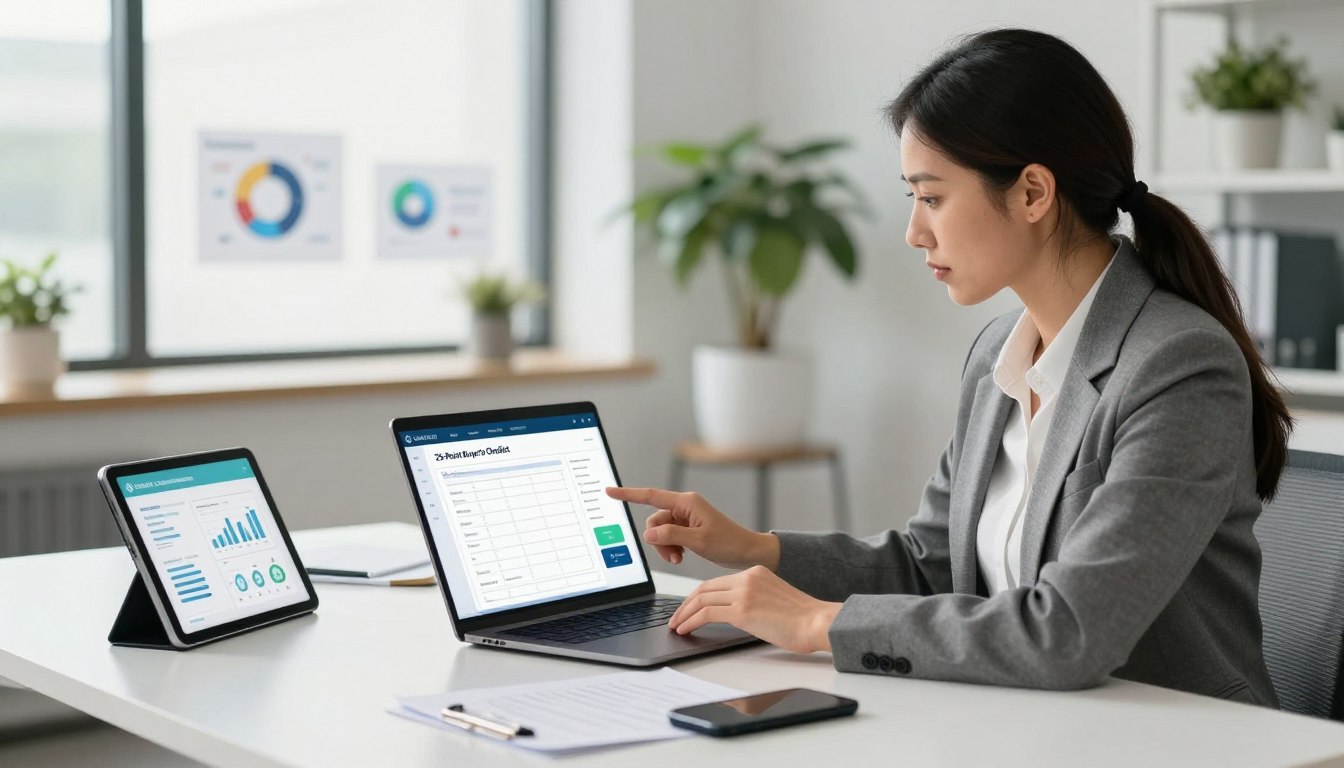
Quick Answer
Choosing the best hospital management software in India requires evaluating your hospital's size, specialties, workflows, scalability, and compliance requirements. The ideal solution should offer OPD and IPD management, doctor-friendly EMR, billing, pharmacy, laboratory, inventory, appointment scheduling, ABDM and ABHA integration, NABH-ready documentation, robust security, responsive customer support, and seamless implementation. A user-friendly, scalable platform with reliable long-term support can significantly improve operational efficiency and patient care.
Finding the right hospital software India providers can be tough. Our detailed hospital software buying guide helps you make a confident choice.
With our hospital software checklist, you can find a solution that meets your clinical needs. Make a smart investment to help your facility succeed.
Key Takeaways
Prioritise systems that offer seamless integration with your existing clinical workflows.
Evaluate the long-term scalability of the platform to support your facility's future expansion.
Ensure the provider offers robust data security measures to protect sensitive patient records.
Assess the quality of local customer support and training programmes available in India.
Focus on user-friendly interfaces to minimise staff training time and reduce operational stress.
Understanding the Core Requirements of Your Healthcare Facility
Choosing the right hospital management software is key. You need to know how your staff works with patients from start to finish. A good hospital management system should be the heart of your organisation.
Assessing Operational Needs for OPD and IPD
Your facility sees many visitors every day. This makes opd management software very important. Look for systems with great appointment management software to cut down waiting times. Also, queue management software helps keep things moving smoothly.
For inpatient care, you need ipd management software that shows ward status in real-time. A good bed management system tracks who's in each bed. This keeps patient data up to date.
Prioritising EMR and EHR Functionality for Clinical Excellence
Doctors need easy access to patient records for top care. Choose doctor friendly emr solutions that save time. A simple emr software lets doctors focus on patients, not paperwork.
Whether you need emr software or ehr software, it should support quick record-keeping. Doctor friendly hms platforms offer custom templates for different medical areas. This makes your medical management software a help, not a hindrance.
Integrating Pharmacy, Laboratory, and Inventory Management
A complete hospital information management system connects clinical and admin areas. Pharmacy management software links meds to prescriptions, cutting down on mistakes. Laboratory management software, including lis software or lims software, updates patient records with test results.
Your inventory management software should track medical supplies in real-time. Linked to hospital billing software, it brings clarity to finances and stock. With healthcare management software that integrates these features, your team and patients will have a smoother experience.
How to Choose Hospital Management Software: The Strategic Approach
Choosing the right hospital erp is key to your future success. It affects your hospital's growth and keeps your data safe. Look beyond what it does now to see if it will grow with you.
Evaluating Cloud-Based versus On-Premise Deployment
Choosing between local servers and cloud hosting is important. A cloud hospital management software lets staff access records anywhere. It also means less work for your IT team.
On the other hand, healthcare management software on your servers gives you full control. It's best for big places that need to keep their data safe. Think about how much you value flexibility versus control.
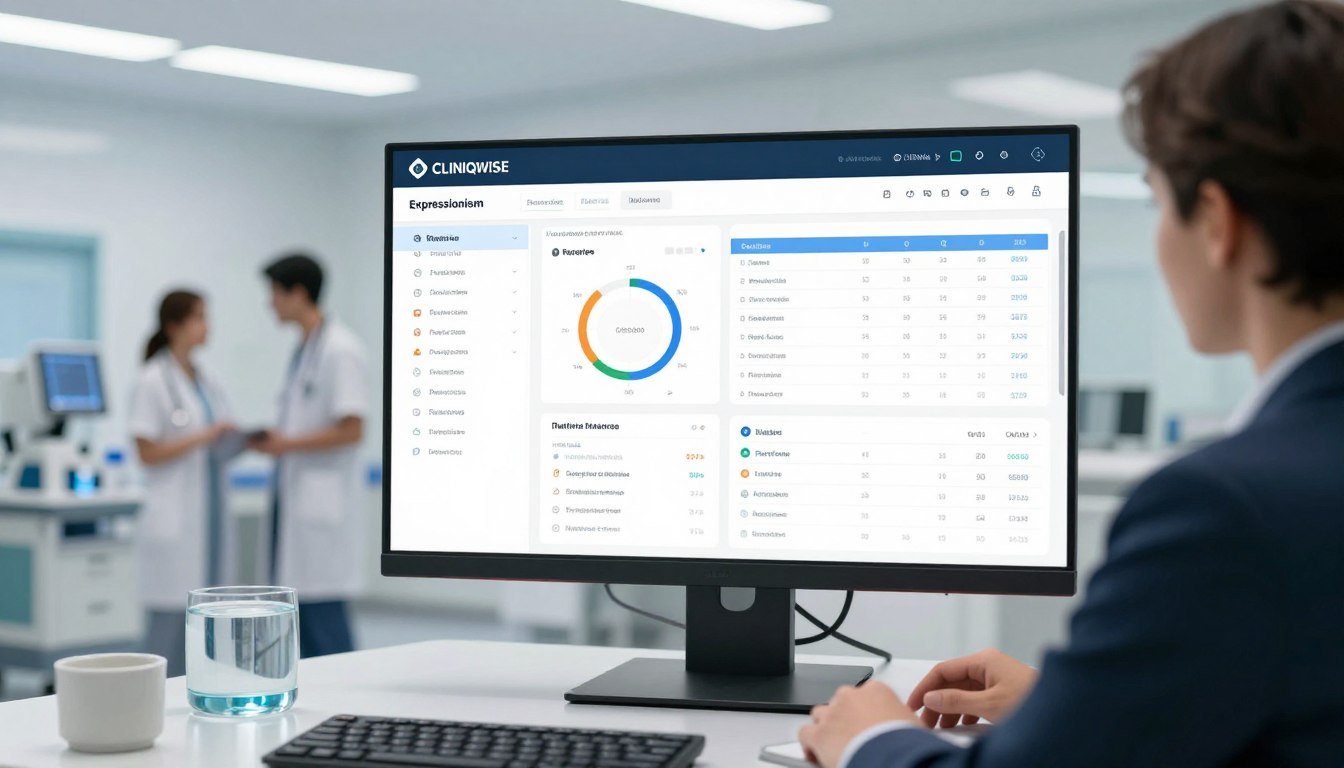
Assessing Scalability and Future-Proofing Your Infrastructure
Your hospital management software needs to grow with you. A good system lets you add new features easily. Look for vendors that make it easy to upgrade.
Make sure your system works with new medical tech. A flexible hospital software keeps you ahead of the curve. Check that the vendor updates regularly.
Analysing Total Cost of Ownership and Pricing Models
Don't just look at the upfront cost of hospital management software. Think about ongoing costs like maintenance and training. A clear pricing plan helps avoid surprises.
When picking a hospital information management system, compare costs. Here's a table to help you see the difference:
Feature | Cloud-Based | On-Premise |
Initial Investment | Low (Subscription) | High (Capital Expenditure) |
Maintenance | Vendor Managed | Internal IT Team |
Data Control | Shared Responsibility | Full Internal Control |
Scalability | High/Instant | Requires Hardware Upgrades |
The 25-Point Buyer's Checklist for Indian Hospitals
Choosing the right hospital management software is key to your hospital's success. This detailed hospital software evaluation checklist helps you find the best in India. It helps you pick solutions that meet your high standards.
Clinical and Administrative Feature Requirements
Your hospital information management system must link clinical skill with admin efficiency. It should manage complex tasks easily and be simple for staff to use. Here are the must-have features for modern healthcare management software.
Category | Requirement | Priority |
Clinical | Electronic Medical Records (EMR) integration | High |
Administrative | Automated billing and insurance claims | High |
Operational | Real-time bed management and tracking | Medium |
Pharmacy | Inventory and expiry date alerts | High |
Patient | Online appointment scheduling portal | Medium |
Technical Infrastructure and Security Standards
When you buy hospital management software, focus on its technical base. A good hospital ERP needs strong, growing foundations to keep patient data safe. Make sure your vendor follows strict data privacy rules and offers secure cloud or on-site options.
Data encryption at rest and in transit.
Regular automated backups to prevent data loss.
Compliance with Indian data protection regulations.
Role-based access control for all staff members.
High availability and minimal system downtime.
Seamless integration with existing diagnostic hardware.
Scalability to support future hospital expansion.
Disaster recovery planning and execution.
Vendor Support and Long-Term Partnership Criteria
Your software provider relationship is long-term. Good hospital management software support is key to success. You need a partner who knows India's hospital software challenges well.
Check your vendor's commitment to improvement and quick response. A strong hospital software support team keeps your staff productive and your system up-to-date. Always check their history of timely updates and help.
Remember, aim for a lasting partnership for better healthcare. This hospital software buying guide helps you invest in your hospital's future, not just buy a product.
Navigating Compliance and Regulatory Standards in India
Understanding Indian healthcare rules is complex. The right hospital management software is key. It's not just about being efficient; it's about following the law. A good system protects your patients and your reputation.
Ensuring ABDM and ABHA Integration Readiness
The Ayushman Bharat Digital Mission (ABDM) is changing how health data is shared. Your hospital management system needs to work with the Ayushman Bharat Health Account (ABHA). This lets you share patient records easily, improving care.
When looking at vendors, check if their hospital software can verify ABHA IDs in real-time. This keeps you up-to-date in India's digital health world. Without it, you might fall behind.
Meeting NABH Accreditation Requirements Through Software
Getting National Accreditation Board for Hospitals (NABH) status shows quality and safety. Modern hospital management software india makes this easier by handling important documents. It keeps detailed, timed logs for audits.
"Digital transformation in healthcare is no longer a luxury; it is the fundamental infrastructure upon which patient safety and regulatory compliance are built."
Automated reporting tools help your staff less. This means every patient interaction is recorded right, meeting strict standards. This leads to clearer data and better care.
Data Privacy and Security Protocols
Keeping patient data safe is essential. Your hospital software must use strong encryption for data. Also, regular backups are key to avoid losing data.
Here's what you should look for in a system:
Feature Category | Compliance Requirement | Operational Benefit |
ABDM Integration | ABHA ID Verification | Seamless Data Exchange |
Audit Trails | Detailed User Logs | NABH Compliance |
Data Security | AES-256 Encryption | Patient Privacy Protection |
System Backups | Automated Daily Cycles | Disaster Recovery |
A secure hospital management system gives you peace of mind. It keeps your facility strong and trustworthy.
Evaluating User Experience and Staff Adoption
The success of your hospital management software depends on how well your medical team adapts to it. Choosing a simple hospital management software means making sure your staff feels confident right away.
If your team finds the system hard to use, things slow down and people get upset. It's key to make the transition smooth to keep patient care high.
Prioritising Intuitive UI and Minimal Learning Curves
A user friendly hospital software interface is key for getting your team on board. When picking a hospital management system, look for designs that are easy to learn.
Doctors like a doctor friendly emr that fits their work style. This means they can focus on patients, not screens.
"Technology should be an invisible assistant, not a barrier to the healing process."
Mobile Accessibility and WhatsApp Automation Capabilities
Today's clinic management software needs to work on mobiles too. This lets staff check on patients easily while they're on the move.
Adding medical management software to WhatsApp can change how you talk to patients. It sends reminders and updates your doctor friendly hms in real-time.
Reducing Operational Stress Through Automation
The main aim of easy hospital management software is to cut down on boring tasks. Automating these tasks makes your work environment less stressful.
By choosing easy to use hospital software, you free up your team to make important decisions. This leads to a more efficient, happy, and productive healthcare team.
Vendor Comparison and Due Diligence
Doing thorough research on every hospital software provider can save you from big mistakes. Choosing the right tech is not just about features. It's about finding a hospital software partner that understands the unique challenges of the Indian healthcare scene. A structured evaluation process helps you make a choice that fits your facility's goals.
Structuring Your Vendor Comparison Table
Creating a side-by-side hospital software comparison helps you see the pros and cons of different solutions clearly. By setting standard criteria, you can easily spot which hospital management software offers the best value for your needs. Use the table below to track key performance indicators across your top candidates.
Feature Category | Vendor A | Vendor B | Vendor C |
Cloud Deployment | Yes | Yes | No |
ABDM Compliance | Full | Partial | Full |
Mobile App | Included | Add-on | None |
Support SLA | 24/7 | Business Hours | Email Only |
Modernize Your PMJAY Hospital Workflows
Streamline PMJAY claims, ABHA registration, billing, and digital healthcare workflows with Cliniqwise.
Fifty Essential Questions to Ask Every HMS Vendor
When you prepare your list of questions to ask hms vendor, make sure to cover technical, financial, and operational aspects. These questions will help you see if the best hospital management software india candidates can support your growth.
Is the software fully compliant with current Indian healthcare regulations?
How often do you release updates for your
hospital management system
?
Can you provide a detailed
hospital management software demo
tailored to our specific departments?
What is your average response time for critical system issues?
Do you offer
dedicated hospital software support
for the initial implementation phase?
How do you handle data migration from our legacy systems?
Is the system scalable to accommodate future bed capacity increases?
What security protocols are in place to protect patient data?
Can the software integrate with our existing diagnostic equipment?
Are there hidden costs for additional user licences or modules?
How intuitive is the user interface for non-technical staff?
Do you provide extensive training materials for our team?
Is the system accessible via mobile devices for doctors on the move?
How do you manage
hospital software customer support
during public holidays?
Can we customise the dashboard to suit our reporting needs?
Does the system support multi-branch management?
What is your policy on data ownership and export?
How do you ensure high availability and uptime?
Are there any third-party dependencies for core features?
Can you provide references from hospitals of a similar size?
How do you handle system backups and disaster recovery?
Is the
best hms software
interface available in regional languages?
What is the typical timeline for a full-scale deployment?
Do you offer a sandbox environment for testing updates?
How do you manage user access permissions and roles?
Is there an automated billing and insurance claim module?
How does the system handle pharmacy inventory alerts?
Can patients book appointments through a web portal?
Does the software support WhatsApp or SMS notifications?
How do you track doctor performance and consultation logs?
Is the system compatible with standard hardware like barcode scanners?
What happens if our internet connection drops?
Do you provide a dedicated account manager?
How do you handle software bugs and patches?
Are there any limitations on the number of concurrent users?
How do you ensure the system remains compliant with future NABH standards?
Can we generate custom financial reports easily?
Does the system include an integrated electronic medical record (EMR) module?
How do you manage patient feedback and satisfaction surveys?
Is the software interface responsive on tablets?
What is your strategy for long-term product development?
Do you offer an API for custom integrations?
How do you handle system maintenance during peak hours?
Are there any specific hardware requirements for the server?
How do you ensure data privacy for sensitive patient records?
Can we manage multiple insurance providers within the billing module?
What is the process for requesting new feature developments?
How do you verify the accuracy of automated billing calculations?
Is the system capable of handling complex IPD workflows?
What is the total cost of ownership over a five-year period?
Verifying Vendor Reputation and Customer Support Quality
Don't just rely on marketing materials when looking for the best hospital software india. You must check the reputation of the hospital software company by talking to their current clients. Ask these references about the quality of their hospital software support and how they handle unexpected technical issues.
A reliable provider will be open about their service levels and provide clear documentation on their hospital management software support. Always choose vendors who show a commitment to continuous improvement and long-term partnership. By doing this, you ensure your chosen hospital management software remains a valuable asset for your facility.
Implementation, Migration, and Onboarding Success
Switching to new hospital management software smoothly needs good planning and action. A clear plan helps keep patient care high while using new digital tools. This hospital software implementation guide shows how to handle this big change well.
Planning Your Implementation Timeline
A good hospital software implementation needs a realistic plan. Rushing can cause problems. Break the project into steps like setting up the system, testing, and full use.
Phase 1:
Gathering needs and setting up the system.
Phase 2:
Testing in one area to find issues.
Phase 3:
Using it everywhere in the hospital.
Phase 4:
Reviewing how it's working and making it better.
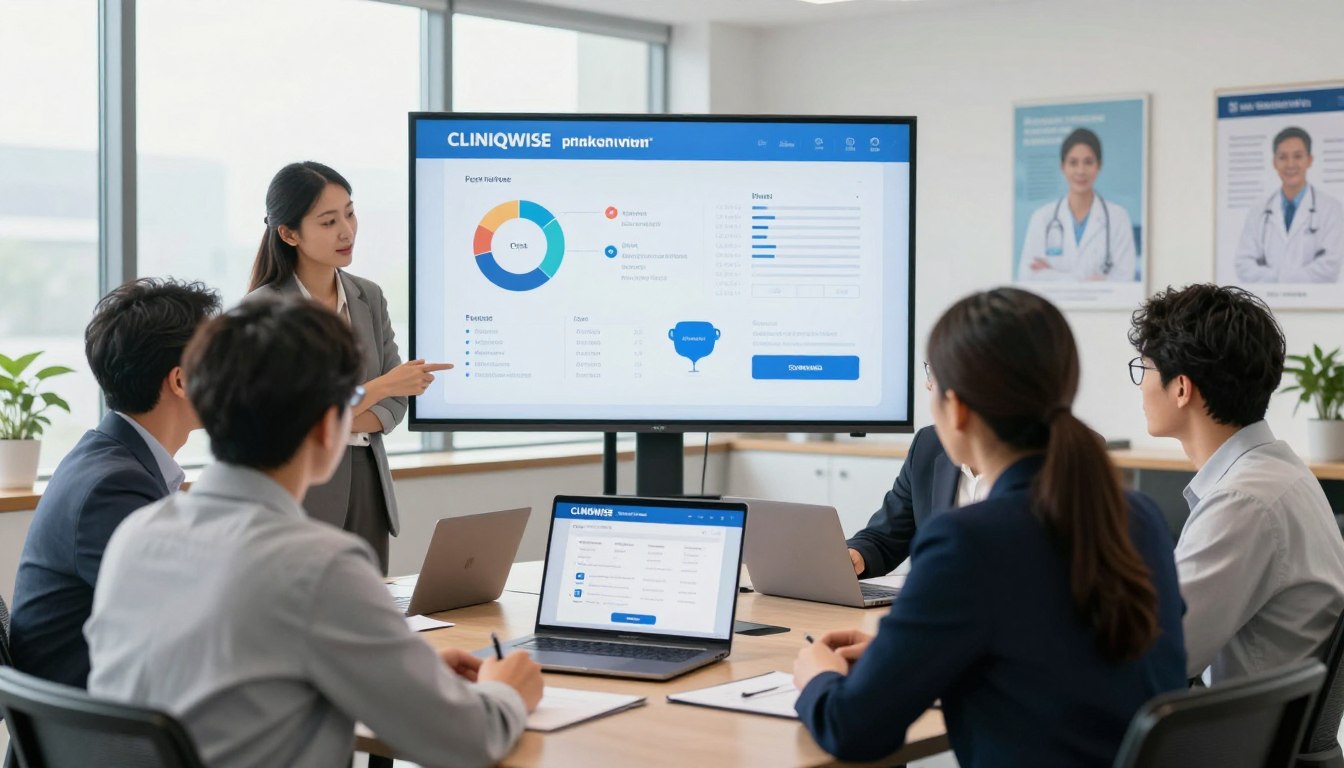
A business presentation featuring the CliniqWise hospital management platform on a large display as team members review dashboards and reports. The image represents hospital ERP software, collaborative healthcare management, digital transformation, and data-driven decision-making.
Best Practices for Data Migration from Legacy Systems
Moving old patient records is key in your hospital software migration guide. Keeping data safe during the move is very important. Clean your data first to avoid mistakes.
Data mapping must be done carefully to keep records right. Keep a copy of old data until the new system works well. This keeps your data safe during the change.
Staff Training and Change Management Strategies
Even the best hospital software won't work if your team doesn't use it right. Training is key to make sure everyone knows how to use it. Focus on training for different roles, like doctors and nurses.
To help with hospital software onboarding, pick "super-users" in each area for support. Choosing a minimal training hospital software makes learning easier. Encourage ongoing learning to keep your team happy and productive during the change.
Analysing ROI and Financial Viability
Financial viability is key to a successful digital transformation in healthcare. Choosing a hospital management software is a strategic investment in your facility's future. A clear financial plan links the cost to real improvements in your operations.
Calculating the Return on Investment for HMS
To find the return on investment, look at how a hospital management system cuts waste. It automates tasks, reducing errors in patient and financial records. Efficient hospital billing software captures all services, cutting down on lost revenue.
Improved patient flow is also important for ROI. Staff spend less time on paperwork, seeing more patients. This leads to more patients and faster discharges, boosting your revenue.
Understanding Hidden Costs and Maintenance Contracts
Many focus only on the hospital management software price, but the total cost is higher. You need to consider implementation fees, staff training, and hardware upgrades. It's important to ask about the hospital software amc to avoid surprises.
Regular hospital software maintenance keeps your system secure and compliant. Make sure your contract clearly states what's included in the annual fee. Hidden costs can come from data migration, custom integrations, or extra user licences.
Transform Hospital Operations with CliniqWise HMS
Streamline pharmacy, laboratory, billing, EMR, inventory, and patient management from a single integrated platform. Schedule a personalized demo and see how CliniqWise can improve efficiency, reduce errors, and enhance patient care.
Balancing Initial Investment with Long-Term Value
Choosing the right hospital erp balances upfront costs with future gains. A cheaper hospital management software cost might seem good, but it may not grow with your facility. A robust platform ensures your technology meets your needs as they grow.
Think about the long-term benefits of digitisation, like better data analytics and patient outcomes. A quality hospital software solution gives you the insights for data-driven decisions. Use the table below to compare different financial aspects of your procurement process.
Cost Category | Description | Impact on Budget | Frequency |
Licensing Fee | Initial software access | High | One-time |
Implementation | Setup and configuration | Medium | One-time |
Maintenance | Updates and support | Low | Annual |
Training | Staff onboarding | Low | Periodic |
Common Buying Mistakes to Avoid
Improving your chances of a successful digital transformation is key. Many healthcare facilities in India make mistakes during the procurement process. They ignore important details that affect daily efficiency. By spotting these risks early, your hospital management software can be a valuable asset, not a burden.
Overlooking Integration Capabilities with Existing Hardware
One common mistake is not checking if the new system works with your current equipment. If your hospital management system can't get data from lab analysers or radiology machines, your staff will have to enter it manually. This wastes time and increases the chance of errors in patient records.
Always ask for a technical demo to see how the system works with your hardware. Make sure the vendor explains how the software connects with your equipment. Smooth integration is essential for a fully digitised hospital.
Ignoring the Importance of Responsive Technical Support
The value of dedicated hospital software support should never be underestimated. Even the best systems can have problems. Your ability to fix these issues quickly is key to your patient care quality. Without reliable hospital software support, a small issue can stop your whole OPD or IPD workflow.
Look for vendors that offer support through various channels, like phone, email, and live chat. Check their service level agreements to ensure they meet your response time needs. Good hospital management software support is not just a luxury; it's a must for keeping things running smoothly.
Underestimating the Need for Continuous Software Improvements
Healthcare technology changes fast, and your software must keep up. Many hospitals buy a product that doesn't get updated. If your hospital software doesn't get regular updates, it will soon become outdated.
Ask vendors about their update cycle and how they use user feedback. A commitment to ongoing improvement means your facility stays up-to-date with regulations and clinical standards. Choosing a forward-thinking partner protects your financial future.
Common Mistake | Potential Consequence | Recommended Best Practice |
Ignoring hardware integration | Manual data entry errors | Verify API compatibility early |
Choosing low-cost support | Extended system downtime | Prioritise hospital software customer support |
Selecting static software | Technological obsolescence | Review the vendor's update roadmap |
Conclusion
Choosing the right hospital management software is a big step for your medical facility. It needs careful planning and a focus on a long-term partnership. This ensures your software meets your needs now and in the future.
With our 25-point checklist, you're ready to make a choice that improves patient care. A good hospital management system boosts efficiency in all departments. You know how to find software that fits your clinical goals.
The best software grows with your hospital. It needs a team that listens and improves continuously. Look for vendors who have a clear plan for updates and staying compliant with rules.
You can lead your healthcare facility into a more efficient digital age. Begin your search today for the best technology. Your dedication to digital change will improve care for years to come.
Looking for an Enterprise Solution?
Discover how Cliniqwise helps clinics & hospitals automate workflows, reduce errors, and streamline patient care.
Frequently Asked Questions
How do you identify the best hospital management software for your specific facility in India?
Finding the best hospital management software India needs careful thought. First, assess your facility's size and specialities. Use a hospital software evaluation checklist to compare options.Look for a hospital software partner that offers a hospital management software demo. Make sure their hospital management software pricing fits your budget and goals.
What are the essential modules a hospital information management system should include?
A good hospital information management system has several key modules. It should include OPD management software and IPD management software.It also needs hospital billing software and pharmacy management software. Plus, laboratory management software and inventory management software for tracking supplies and data.
Why is a doctor friendly EMR critical for the success of healthcare management software?
A doctor friendly EMR is key for success. It makes work easier for doctors, reducing burnout. This is because it's easy to use and doesn't require a lot of learning.Choosing easy to use hospital software means doctors can focus more on patients. They spend less time dealing with complex systems.
What are the advantages of opting for cloud hospital management software over on-premise solutions?
A: Cloud hospital management software is more flexible and scalable. It's also cheaper upfront and accessible on mobile devices. Unlike old systems, it offers better data security and easier maintenance.Updates are handled by the hospital software company, so you don't have to worry about them.
How does modern hospital management software support ABDM and NABH compliance?
The best HMS software is ready for ABDM and ABHA. It helps your facility join India's digital health network. It also makes NABH accreditation easier by keeping digital records and ensuring data privacy.Automating clinical documents is also key for passing quality audits.
What should you look for in hospital software support and maintenance contracts?
When you buy hospital management software, the support is as important as the features. Look for a contract with dedicated support and a clear AMC outline. Make sure there's 24/7 technical support.Good customer support means less downtime and better care for patients.
What is the typical process for hospital software implementation and data migration?
A professional hospital software implementation follows a detailed migration guide. It includes data migration and onboarding for all departments. There's also training to help staff adapt.A well-planned implementation timeline ensures a smooth transition without disrupting patient care.
How can hospital ERP solutions improve the patient experience and front-desk efficiency?
A: Hospital ERP solutions streamline the patient journey. They integrate patient registration software and appointment management software. Features like WhatsApp automation and bed management systems reduce waiting times.This leads to happier patients and more efficient doctors.
What are the common pitfalls to avoid when choosing a hospital software provider in India?
Avoid focusing only on price and ignore the total cost of ownership. Don't overlook the need for hardware integration or ask the right questions to ask HMS vendors.Use a buying guide to find a reputable hospital software company with reliable easy healthcare software.
How do you calculate the ROI on a new hospital management system?
To calculate ROI, analyse how the system improves revenue cycle management. Look at reduced billing errors and better inventory management.By digitising operations, you save on paper, boost staff productivity, and increase patient throughput. This offsets the initial cost of the system.