How to improve vaccination tracking in a pediatric clinic
Every missed appointment is a big risk for a child's health. If your office uses paper files or manual reminders, important shots can be missed. It's crucial to update your methods for top-notch child healthcare.

Quick Answer
The best way to improve vaccination tracking in a pediatric clinic is to replace paper-based records with a digital vaccination management system. Modern Pediatric EMR software helps clinics maintain accurate immunization records, automate vaccine reminders, track due and missed doses, manage vaccine inventory, and improve follow-up compliance. By using digital records, automated communication, and standardized vaccination schedules, pediatric clinics can reduce missed vaccinations, improve operational efficiency, and deliver better preventive care for children.
Switching to digital systems lets your team manage shots better. This change makes newborn vaccination tracking e asy every day. It keeps your community safe from diseases and saves staff time.
Using these strategies means you offer consistent, high-quality preventive care. When you make records easier to manage, no patient misses out on shots. Using technology is the best way to help your young patients stay healthy.
Key Takeaways
Manual record-keeping often leads to missed doses and gaps in patient immunity.
Digital systems provide automated alerts that significantly reduce no-show rates.
Modernizing workflows improves the overall efficiency of your medical staff.
Accurate data management is vital for long-term
child healthcare
success.
Transitioning to digital tools ensures better compliance with national immunization schedules.
The Critical Role of Systematic Vaccination Tracking
By focusing on vaccination tracking, you can greatly improve your clinic's care. This method is key to keeping kids safe from diseases. It helps ensure every child gets the vaccines they need on time.
Having a solid system for pediatric vaccination is crucial. It helps avoid missed doses. Consistency is the key to building trust with parents who count on you to keep their kids healthy.
Busy clinics can easily overlook important details. A strong vaccination tracking system helps prevent this. It keeps your team focused on caring for patients, not searching for records.
Your commitment to a systematic approach raises your clinic's care standards. By focusing on pediatric vaccination through organized data, you make sure no child misses out. This not only protects their health but also boosts the community's immunity.
Common Pitfalls of Paper-Based Immunization Records
Keeping track of a child's health can get really hard with old, paper records. Even though paper has been around for a long time, it's not good enough for today's child immunization tracker. Paper records are weak and can mess up the care you give.
The Risk of Lost Vaccination Cards
One big problem is when parents lose the cards. Losing these cards means the child's vaccination history is gone. This is a big issue during emergencies or when kids need to show they're vaccinated for school.
"The greatest threat to patient safety is not the lack of information, but the inability to access it when it is needed most."
Challenges with Manual Reminder Systems
Manual systems can make mistakes, leading to missed shots and late doses. Your team might get overwhelmed, causing problems with child vaccination records. Without a system, it's hard for parents and your team to keep track.
Increased risk of clerical errors during data entry.
Difficulty in tracking specific vaccine batches.
Higher likelihood of missed follow-up appointments.
Inconsistencies in Follow-up Management
When records are all over the place, it's hard for doctors to check a child's status fast. Keeping a clear vaccination history is a big job. This can lead to extra shots or missed chances to protect kids from diseases.
Comparing Traditional and Modern Tracking Methods
Looking at your current workflow is key to a more efficient paperless pediatric clinic. As your practice grows, old filing systems hold you back. They make it hard to give timely care. Switching to clinic digitization helps you work better and focus on patient care.
Paper Records vs Digital Vaccination Tracking
Going digital means understanding how digital patient records beat old systems. Paper files can get damaged, lost, or take too long to find. Digital systems, on the other hand, give you quick access to important health info. This means you always have the right info during patient visits.
The table below shows the main differences between these two methods. It helps you see if your current approach is working.
Feature | Paper Records | Digital Vaccination Tracking |
Accessibility | Physical storage only | Instant cloud access |
Data Accuracy | Prone to human error | Automated validation |
Record Type | Manual filing | Electronic vaccination records |
Security | High risk of loss | Encrypted, secure backups |
Choosing digital vaccination records cuts down on missed doses. These systems send out reminders. This keeps parents on track and your clinic's immunization rates high. Moving to digital immunization records is a smart choice for your patients' health and safety.
Aligning with WHO and India’s Universal Immunization Programme
Following global and national immunization guidelines is crucial for effective preventive care. By using WHO and India’s Universal Immunization Programme (UIP) guidelines, you offer strong protection for kids. This method also lowers the risk of diseases that vaccines can prevent.
Adhering to the IAP Immunization Schedule
The Indian Academy of Pediatrics (IAP) offers a detailed plan for doctors. Sticking to the iap immunization schedule keeps your clinic consistent. This makes it easier to remember when vaccines are needed.
Using this schedule helps parents know what to expect. It also lets your team talk clearly about when kids need their shots. Being consistent builds trust and keeps kids safe as they grow.
Ensuring Compliance with National Standards
Following national standards is more than a rule; it's a promise to do great work in pediatric care. By matching your clinic's rules with the UIP, you meet the highest health standards. This makes it easier to report and keep accurate records for every patient.
The table below shows the main parts of a good immunization plan. It helps you run your clinic better:
Vaccine Category | Primary Goal | Compliance Focus |
Birth Dose | Early Protection | Immediate Documentation |
Primary Series | Immunity Building | Strict Interval Tracking |
Booster Doses | Long-term Efficacy | Proactive Recall Systems |
Catch-up Doses | Gap Mitigation | Individualized Planning |
Keeping up this high standard makes your clinic a key player in improving child health. By focusing on these standards, you keep your patients safe and help your community's health grow stronger.
Leveraging Pediatric EMR Integration for Better Outcomes
Using a pediatric EMR changes how you handle patient data and keep track of shots. It moves you from old systems to a holistic view of each child's health. This change is key for updating your practice and making sure no vaccine is missed.
Centralizing Patient Health Records
Electronic health records put all important info in one safe spot. With patient management software, you avoid the mess of paper files. This makes it easy for your team to see a child's health history, allergies, and past visits.
For EHR for pediatric clinics, the big plus is tracking health trends easily. You can quickly check a patient's vaccination record during a busy day. This helps you keep up with shots and improve health care.
Integrating Growth Charts and Developmental Milestones
Watching a child grow is key in well-child visits. Using WHO growth charts in your system makes it simple to see height and weight trends. This helps spot health issues early.
Also, developmental milestone tracking lets you record important steps in a child's life. It helps you see if a child is on track and share this with parents. This builds trust and helps parents get involved.
Automating Weight-Based Dosage Calculations
Accuracy is crucial when giving kids vaccines or meds. A weight based dosage calculator in your pediatric EHR cuts down on mistakes. It uses the latest weight to figure out the right dose.
This automation keeps your clinic safe. Here are some benefits:
Less medication errors
thanks to up-to-date data.
Quicker visits
since staff don't spend time on math.
Better accuracy
for complex vaccine plans.
More patient safety
by matching doses with current growth.
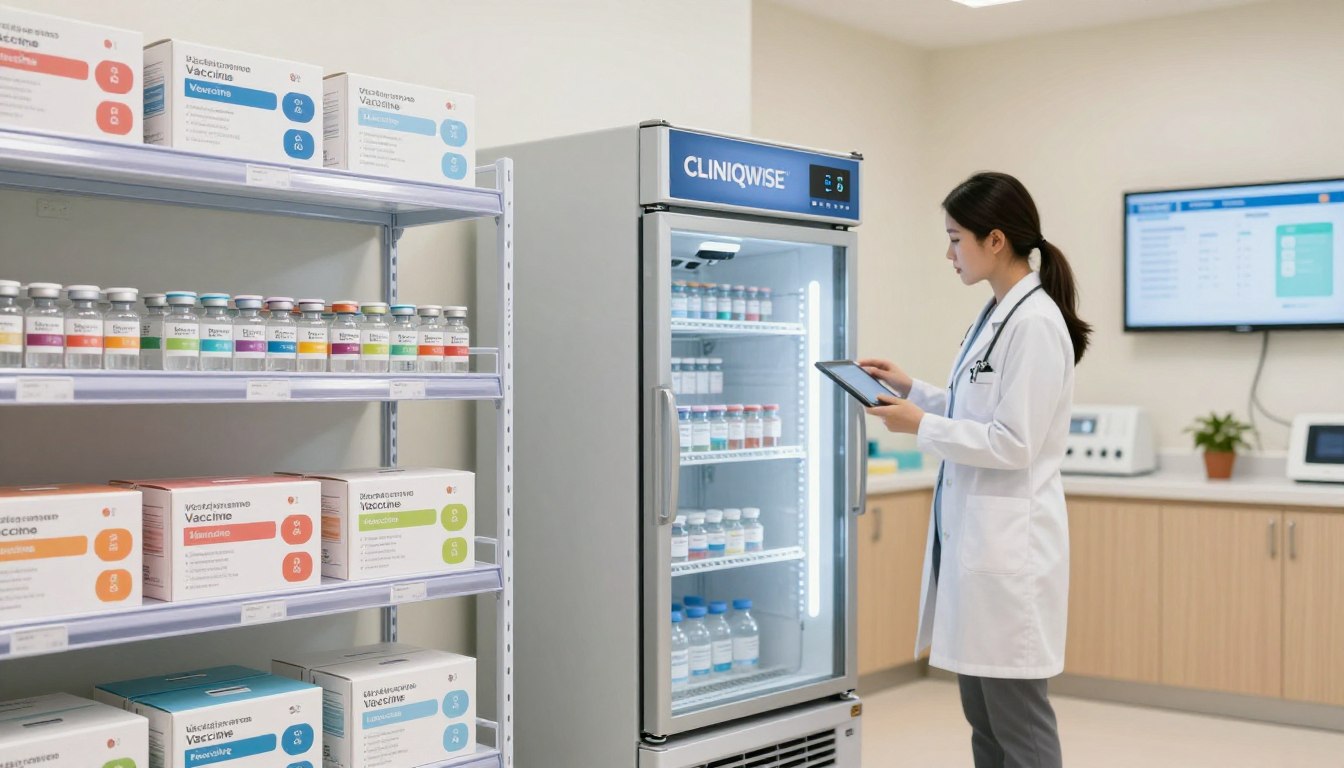
Optimizing Vaccine Inventory and Batch Management
A strong vaccine management system is key for any pediatric practice in India. It keeps your supplies in check, making sure kids get safe, effective shots on time.
Good vaccination management means watching your supply chain closely. Using digital tools helps avoid stockouts and saves money on expensive vaccines.
Tracking Vaccine Expiry and Stock Levels
Keeping a close eye on vaccine expiry tracking is crucial. Set up alerts to remind staff when a batch is about to expire.
Vaccine batch tracking also helps keep a detailed record of every shot. This is important for quality and safety.
Tracking Vaccine Expiry and Stock Levels
Keeping a close eye on vaccine expiry tracking is crucial. Set up alerts to remind staff when a batch is about to expire.
Vaccine batch tracking also helps keep a detailed record of every shot. This is important for quality and safety.
Co ordinating Inventory with Patient Demand
Matching your vaccine inventory to your patients' needs saves money. Use past data to predict when you'll need more vaccines.
With vaccine batch tracking, you can order just the right amount. This keeps your clinic stocked without wasting money.
Focus on vaccine expiry tracking and predicting demand. A well-run vaccine management system leads to better health for your patients.
Implementing Automated Communication Strategies
Effective parent communication is key to a successful vaccination program. By using healthcare automation, you keep families informed and proactive about their child's health. This not only boosts patient engagement but also builds trust with your community.
Setting Up Automated Appointment Reminders
Streamlining appointment scheduling is crucial for high immunization rates. Automated vaccination reminders save your staff from manual calls. They send notifications early, helping parents plan without stress.
Consistency cuts down on no-shows. Timely alerts keep your schedule full and kids on schedule. This shows your clinic is modern and efficient.
Utilizing SMS and WhatsApp for Vaccination Alerts
In today's world, reaching parents where they are is vital. WhatsApp vaccination reminders offer a familiar and quick way to update families. These messages are often read faster than emails, perfect for urgent vaccination follow up reminders.
SMS is a reliable backup for diverse demographics. Combining SMS and WhatsApp creates a strong network. This ensures parents get critical health info, no matter their digital habits.
Enhancing Parent Engagement and Education
Your strategy should add value beyond scheduling. Send vaccine due reminders with educational content. This helps parents understand the importance of each dose.
Use these tools to share health resources or clinic updates. This turns your outreach into a supportive service. Empowered parents are your best allies in child health.
Communication Channel | Primary Benefit | Best Use Case |
SMS | High Open Rates | Urgent vaccination reminder |
Interactive/Rich Media | Educational content sharing | |
Detailed Documentation | Monthly health newsletters | |
Automated Calls | Personalized Touch | Missed appointment follow-up |
Ensuring Data Security and Cloud-Based Record Keeping
Keeping your pediatric patient records safe is crucial in today's digital health world. As clinics switch from paper to digital, strong cybersecurity is key. It helps keep patient trust and follows the law.
Protecting Sensitive Pediatric Health Data
Keeping kids' private info safe needs a strong security plan. Your electronic medical records must be encrypted well. This is true for when they're sent and when they're stored.
It's also important to control who can see or change health info. Use role-based access to limit who can view or edit records. Regular security checks help find and fix problems before they get worse.
Benefits of Cloud-Based Infrastructure
Using a cloud based emr has big pluses over old storage ways. One big plus is automatic backups. This means your important data is safe, even if your clinic's equipment fails.
Cloud systems are better at recovering from disasters than paper files. If something bad happens at your clinic, your pediatric patient records are safe elsewhere. This lets your clinic keep working smoothly.
Also, a cloud based emr makes it easy to update your electronic medical records software. This keeps your clinic up-to-date with the latest security and care standards.
Managing Catch-Up Schedules and Booster Doses
Managing booster dose reminders and catch-up vaccination schedule needs is key to better care. It keeps your clinic ahead, making sure kids get the shots they need on time. This not only helps their health but also earns trust from parents.
Identify ing Missed Follow-up Doses
Today's tech lets you spot missed shots easily. This way, you can give better follow up care and keep kids safe. Catching up early stops outbreaks in your community.
"The strength of a pediatric practice lies in its ability to ensure that every child completes their immunization journey, regardless of initial delays."
Strategies for Proactive Recall
Send booster dose reminders through your system. At well child visits, check their shots and fix any gaps. This makes it easy for families and keeps them on schedule.
A good recall system makes your clinic a trusted part of a child's life. By focusing on follow up care at every visit, you show how important regular health checks are. Your hard work during well child visits helps secure a healthier future for your patients.
Utilizing Reporting and Analytics for Clinic Growth
Modern pediatric practices do well by turning numbers into useful insights. Going beyond just keeping records, you can make your clinic more efficient and top-notch. Immunization software helps you see how you're doing and find ways to get better.
Monitoring Immunization Compliance Rates
It's key to track how many patients get their shots on time for public health. Use your digital tools to make reports on immunization compliance for different ages. These reports show where you might need to do more to reach everyone.
Keeping an eye on this helps you see patterns in who misses appointments. Knowing why families miss out lets you change how you schedule or talk to them. This keeps your immunization management strong all year.
Data-Driven Decision Making for Preventive Care
Using data helps you improve preventive healthcare more effectively. By looking at past data, you can plan better for busy times and use your resources wisely. This saves money and makes sure your clinic is ready for your patients.
Also, data shows you care about quality by giving parents clear, backed-up results. This builds trust and makes your clinic more respected in the community. Here's a table with important metrics to keep your care top-notch.
Metric | Goal | Action Required |
Compliance Rate | Above 95% | Automated recall for missed doses |
Inventory Turnover | Minimize wastage | Adjust stock based on seasonal demand |
Patient Retention | Increase visits | Personalized preventive healthcare reminders |
Staff Efficiency | Reduce wait times | Optimize scheduling via software |
By regularly checking these numbers, you keep your clinic leading in preventive healthcare. Using these analytics every day helps your clinic grow and give the best care to every child.
10 Best Practices to Improve Vaccination Tracking
Transform your clinic's efficiency with these ten proven strategies for vaccination tracking. A structured approach to immunization management is key for medical practice management today. By following these steps, your practice will lead in pediatric care.
First, switch to strong medical record software to avoid paper system risks. Second, train your staff regularly on healthcare software updates for accurate data. Third, use pediatric consultation software for automated patient reminders and fewer missed appointments.
Fourth, pick reliable vaccination tracking software that follows the national immunization schedule. Fifth, check your inventory weekly to avoid stockouts. Sixth, choose the best vaccination management software for real-time analytics.
Seventh, use pediatric vaccination tracking software for automated reports for parents. Eighth, link your vaccination software with patient portals for easy communication. Ninth, keep health data safe with strict security protocols. Tenth, track long-term immunization compliance with pediatric clinic software.
The table below shows the differences between old methods and new digital solutions for your practice:
Feature | Manual Tracking | Digital Solution |
Data Accuracy | High Error Risk | Automated Precision |
Reminder Speed | Slow/Manual | Instant Notifications |
Reporting | Time-Consuming | One-Click Analytics |
Efficiency | Low | High |
Using these practices with advanced clinic management software will greatly improve your clinic. Consistency means better preventive care for every child in your community.
Conclusion
Modernizing your clinic makes it safer for everyone. You can change how families get preventive care by using digital tools and workflows.
Switching from paper logs helps avoid mistakes. Digital systems make it easy to handle complex schedules. This builds trust with parents who need your help.
Begin by checking your current supplies and how you talk to patients. Making small changes can greatly improve health in your area. You're key to keeping everyone safe by keeping records up to date.
Share your success with digital changes to help others. Your stories inspire better care in India. Talk to your software providers about new features for your clinic.
Frequently Asked Questions
How can digital immunization records improve patient safety in my pediatric practice?
Switching to digital immunization records in a paperless clinic cuts down on mistakes. It keeps a child's vaccination history up to date. This is key to avoiding too many shots and keeping up with vaccinations during check-ups.
What are the advantages of using a dedicated vaccine management system for inventory?
A vaccine management system tracks batches and expiry dates precisely. It helps your team avoid wasting vaccines and ensures you have enough for patients. This makes your healthcare delivery more effective.
How do automated vaccination reminders affect appointment show rates?
Automated reminders cut down on missed appointments. Using WhatsApp and SMS, you remind parents about vaccines and appointments. This keeps parents involved and ensures kids get their shots on time.
Can pediatric EMR software help with growth monitoring and developmental milestones?
Yes, good pediatric EMR software has WHO growth charts and tracking tools. These help monitor growth and track milestones at each visit. It also calculates doses based on a child's weight, ensuring accurate treatment.
How does the software handle a catch up vaccination schedule for missed doses?
A good child immunization tracker can create a catch-up schedule. It follows IAP guidelines and India's Universal Immunization Programme. This helps identify and remind patients about missed doses.
Is it secure to store pediatric consultation software data in the cloud?
Cloud storage is safer than paper files. Modern software uses strong encryption and backups. This keeps patient data safe and accessible from anywhere.
What role does reporting and analytics play in vaccination management?
Reporting tools in your software help track vaccination success. They show how well your clinic is doing with vaccinations. This info helps improve your clinic's efficiency and care quality.
How does clinic management software streamline the daily workflow for pediatricians?
Clinic management software combines scheduling, tracking, and patient care into one place. It automates tasks, freeing up staff for more important work. This makes your clinic run smoother for everyone.